
Family Meetings: How to Get Kids to Cooperate Without Bribes or Threats
Between work schedules, school runs or home education, and the general chaos of daily life, many families struggle to find time for meaningful connection. We're often managing behaviour, solving problems on the fly, and making decisions without really pausing to include everyone's voice. This is where family meetings can transform your household dynamics.
Sign up to my news letter and received a free ebook on Family Meeting Magic. A How to Guide.
What Are Family Meetings?
Family meetings are regular gatherings where everyone comes together to discuss issues, make decisions, plan activities, and strengthen bonds. Unlike the impromptu conversations that happen throughout the week, these meetings provide a structured yet relaxed space where every voice matters from the youngest child to the adults.
There's no one-size-fits-all approach. Some families meet weekly over Sunday breakfast, while others gather monthly. What matters most is consistency and the commitment to creating a democratic space where family life can be discussed openly.
Why Family Meetings Matter
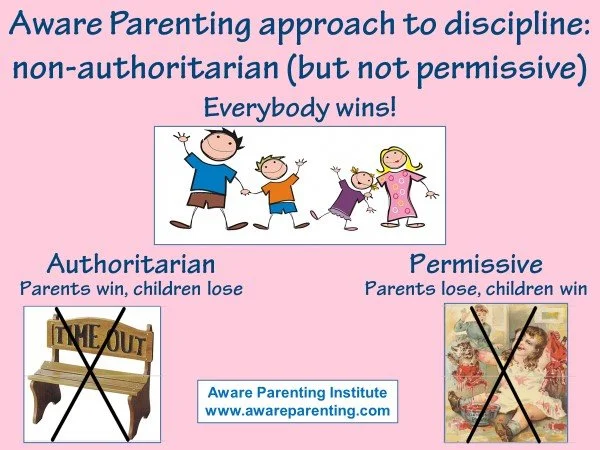
At their core, family meetings are rooted in mutual respect. They operate on the belief that children are capable of contributing meaningful ideas and participating in decision-making. When we include children in family discussions, we're not just solving problems we're teaching crucial life skills: communication, empathy, problem-solving, and responsibility.
Children learn that their opinions matter, that conflicts can be resolved peacefully, and that being part of a family means both having rights and fulfilling responsibilities. This democratic approach recognises that sometimes children offer creative solutions we adults would never have considered!
Understanding Children's Need to Be Heard
When children feel powerless in their own homes, their nervous systems respond. Some express this through a sympathetic (fight or flight) response pushing back against rules, not listening, resisting authority. Others go into a parasympathetic (freeze) response withdrawing, becoming passive, or simply going along without truly engaging.
Family meetings address this at the root. When children know they'll have a dedicated time to voice concerns and be genuinely heard, much of the daily resistance can dissolve. They're not fighting to be heard anymore because they know their time is coming.
Getting Started: Your First Meeting
Beginning family meetings doesn't require elaborate preparation. Choose a regular time when everyone can attend without feeling rushed. Weekend mornings or early evenings often work well, but find what suits your family's rhythm.
Create a comfortable, distraction-free environment. Turn off devices, and gather where everyone can see each other perhaps around the kitchen table or sitting in a circle in the living room. Some families light a candle to mark the beginning, creating a ritual that signals this is dedicated family time or using. talking stick to ensure no one is interrupted when speaking..
As children mature, you can rotate leadership roles. Even young children can help facilitate meetings with support.
Key Components of Family Meetings
Start with Appreciations
Beginning with appreciation sets a positive tone. Each person shares something they appreciate about other family members from the past week. This might be thanking a sibling for sharing, acknowledging help with homework, or recognising everyone's effort to keep the house tidy. Starting here reminds everyone why you're a team.
2. Review Previous Decisions
Check in on commitments made at the last meeting. Did everyone follow through? If not, what got in the way? This teaches accountability and helps the family learn from experience.
3. Discuss Current Issues
Aletha Solter says, “
I recommend using them not only for conflicts, but also for neutral topics. It is also important to encourage the children to use the meeting format for problems they have with their parents, or to address situations in which they feel that their needs are not being met.”
It need not only be problem related such as who is going to do what chores the week ahead or how to manage dirty clothes left on the floor but can also focus on planning an upcoming birthday or holiday together.
4. Creating Safety for Big Feelings
For family meetings to work, children must feel safe expressing their true thoughts and feelings. This requires us to model excellent listening. When a child speaks, give them your full attention. Resist the urge to interrupt, correct, or defend yourself. Instead, practice empathetic listening: reflect back what you hear, ask clarifying questions, and validate their feelings even if you disagree.
Ground rules help maintain this safe space. Common ones include: one person speaks at a time, no name-calling, everyone's opinion is valued, and confidentiality unless everyone agrees otherwise.
It's also important to distinguish between discussions and decisions. Not every topic needs immediate resolution. Sometimes children simply need to be heard. Other times, an issue requires reflection before the family can decide. Learning to table discussions until the next meeting teaches patience and prevents rushed decisions made in heated moments.
5. Problem-Solving Together
When conflicts arise, family meetings provide a framework for collaborative problem-solving. The process involves:
clearly defining the problem
brainstorming possible solutions without judgment,
evaluating pros and cons,
choosing a solution to try
agreeing to review how it worked
For example, imagine siblings constantly fighting over screen time. Instead of simply imposing a schedule, the meeting becomes a space to explore the issue. Why is this causing conflict? What does each child need? Through discussion, the family might discover creative solutions such as alternating days or finding games they can play together.
The key is that solutions are agreed upon by consensus whenever possible. When children participate in creating rules, they're far more likely to follow them because they've bought into the decision.
Adapting for Different Ages
Family meetings work with children of all ages, though they'll look different depending on developmental stages.
With toddlers and preschoolers, keep meetings very short, five to ten minutes, and focus on simple, concrete topics. Use picture charts or drawings to help them understand and participate.
Primary-age children can manage longer meetings and more complex discussions. They often enjoy the special attention and importance of being included in family decisions.
Teenagers benefit tremendously from family meetings, though they may initially resist. Adolescents are focused on autonomy and fairness, and meetings that genuinely respect their input can significantly reduce typical parent teen conflicts. For teens, it's especially important that meetings don't become lectures they must be truly collaborative.
Common Pitfalls
Even with good intentions, family meetings can falter. One common mistake is allowing meetings to become complaint sessions without working toward solutions. While it's important to voice concerns, the focus should remain on collaborative problem-solving.
Another pitfall is parents dominating discussions or overriding collective decisions. If children sense their input doesn't truly matter, they'll disengage. We must be willing to sometimes go along with solutions we wouldn't have chosen independently, as long as they're safe and reasonable.
Some families abandon meetings after a few attempts, claiming they "don't work." Usually, this happens when expectations are unrealistic. Family meetings won't solve every problem or eliminate all conflicts. Success requires patience, consistency, and willingness to adjust based on what works for your unique family.
The Healing Power of Being Heard
When children are consistently heard and included in decision making, something profound happens. The daily power struggles often decrease because children aren't constantly fighting to have a voice. Their nervous systems can relax, knowing they have a dedicated time and space to express themselves.
This doesn't mean they'll never have tantrums or big feelings those are still healthy ways children process stress and emotions. But the underlying frustration of not being heard, of having no say in their own lives, can dissolve when family meetings become a regular practice.
Long-Term Benefits
The investment in regular family meetings pays dividends that extend far beyond childhood. Children raised with democratic decision making tend to develop stronger self-esteem, better communication skills, and more confidence in problem-solving. They learn to consider multiple perspectives, negotiate respectfully, and take responsibility for their choices.
These meetings also strengthen family bonds. In a world where family members often go in different directions, meetings create guaranteed connection time. They build a family culture where problems are addressed openly rather than festering, where appreciation is expressed regularly, and where everyone knows they belong.
Perhaps most importantly, family meetings model what healthy relationships look like. Children learn that disagreements don't mean disconnection, that everyone's needs matter, and that working together leads to better outcomes. These are lessons they'll carry into their own relationships and, eventually, their own families.
Beginning Your Journey
If you're ready to begin, start small and stay flexible. Announce to your family that you'd like to try something new, explain the basic concept, and schedule your first meeting. Don't worry about doing everything perfectly you'll learn and adjust as you go.
Your first few meetings might feel awkward. Children might test boundaries or resist participation. Stay committed to the process, maintain your sense of humour, and trust that with consistency, family meetings will become a valued tradition.
In our fast-paced world, the simple act of sitting down together regularly to talk, listen, and make decisions as a family is powerful. It's an investment in your children's emotional well-being and in the quality of your family relationships that will bear fruit for years to come.
You can read Aletha’s article on Family Meetings here.
If you're curious to explore this further or need support implementing family meetings in your home, I'd love to help. Healing through connection is powerful not just for children but for all of us.

Hi, I’m Rebecca.
I’m a parent coach, Aware Parenting Instructor, Soul Collage facilitator, and therapeutic play practitioner. I support parents, caregivers and child care professionals in healing from stress and trauma so they can nurture compassionate connections with themselves and the children in their care. If you’d like to explore ways to support your child’s emotional well-being, I invite you to: Join my Substack for insights on parenting, book a free discovery call, and explore my offerings to help you and children in your care flourish.